Types of Mosquitoes

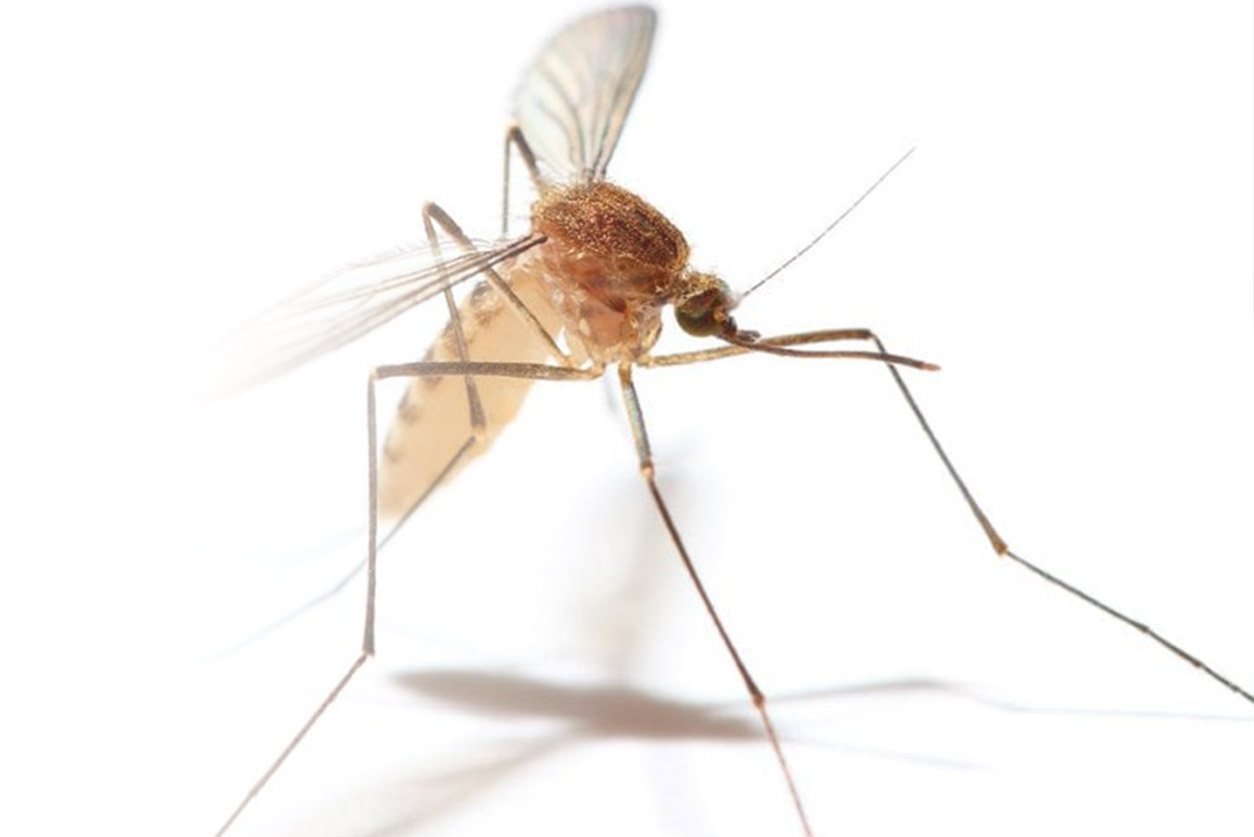
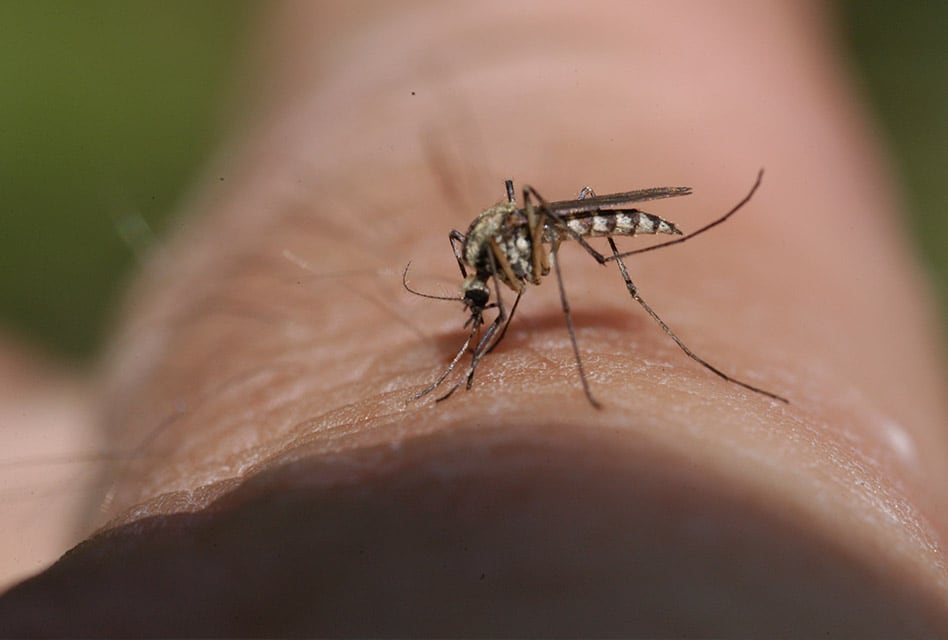
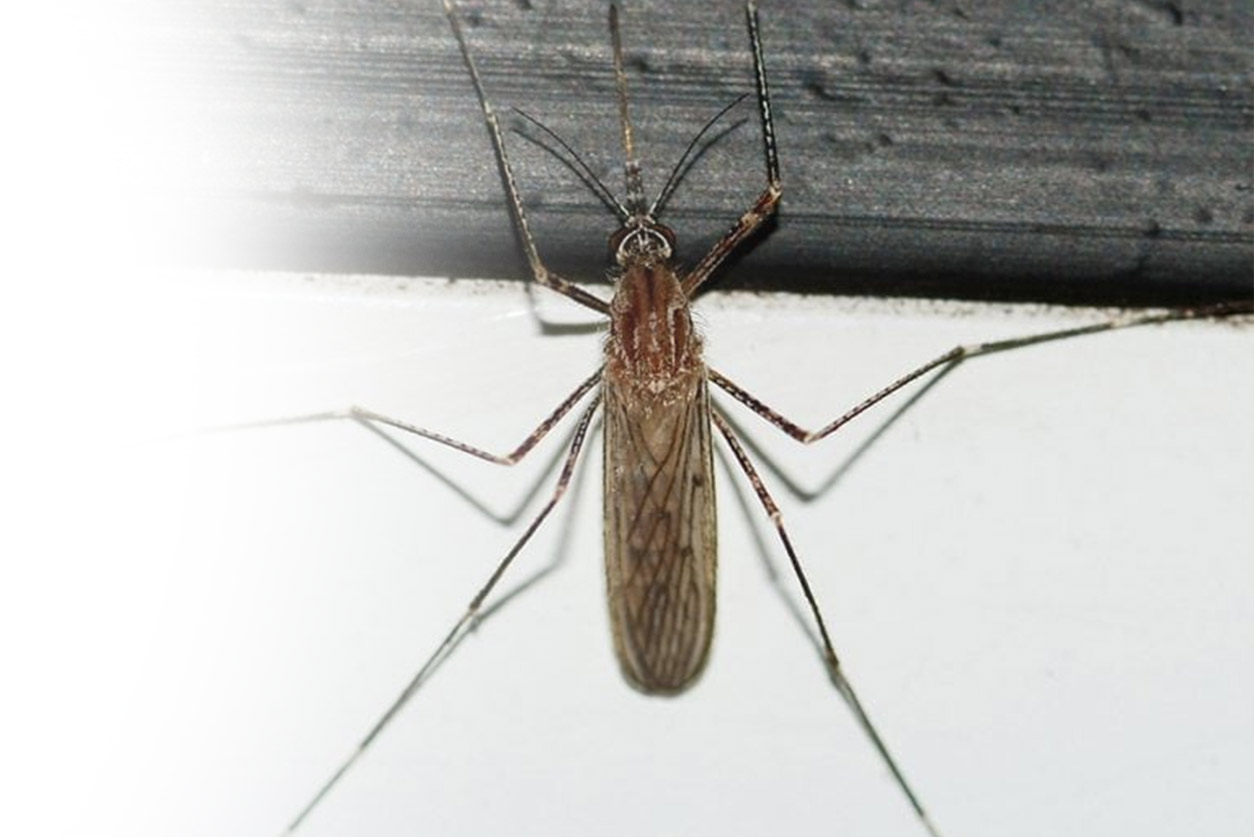
Right now, scientists have classified over 3,000 types of mosquitoes with different subfamilies and genera being discovered every year. Though some species aren’t dangerous to man, most of them are at least considered pests because the female needs a blood meal before she lays her eggs. This means that a swarm of even harmless mosquitoes can be unbearable.

But the real problem is that in the act of biting, certain species of mosquitoes can transmit diseases, many of them very dangerous or even fatal. Entire ancient civilizations in the Mediterranean have been wiped out because of mosquitoes.

There are two mosquito subfamilies. They are anophelinae and culicinae. Among these subfamilies are many genera. They include:

Aedes Mosquitoes

The Aedes aegypti mosquito is a carrier of both yellow fever and dengue fever. These diseases resemble each other. However, yellow fever is sometimes fatal to its victims, but dengue fever usually isn’t. Discovering that these diseases were carried by the Aedes aegypti mosquito allowed the Panama Canal to be built, for people then knew to eradicate this subfamily of mosquitoes in the area.

These mosquitoes live in the tropical areas in the world. The females are completely dependent upon human beings and are never far from human habitation. They lay their eggs on the surface of water in any sort of container. Unlike a lot of mosquitoes, the females are more active during the day than in the morning and evening.

Anopheles Mosquitoes

This mosquito belongs to the anophelinae subfamily. There are over 400 types of this notorious mosquito, but only about 40 of them carry malaria. Malaria is caused by a parasite called plasmodium, which can only live in mosquitoes and in the human bloodstream. Moreover, plasmodium can only live in anopheles mosquitoes.

Anopheles mosquitoes bite at night, so it’s a good idea for a person who lives or works in a malaria infested area to sleep beneath mosquito netting. The anopheles mosquito is born without the plasmodium parasite and only gets it when it bites an infected human. Then, the infected mosquito goes on to infect another human being.

Chagasia Mosquitoes

This mosquito resembles the anopheles mosquito and is, in fact, a member of the anophelinae subfamily. These mosquitoes like to live in vegetation around wet places. Fortunately, humans aren’t their favorite meal and when they do bite, they don’t transmit disease.

Culex Mosquitoes
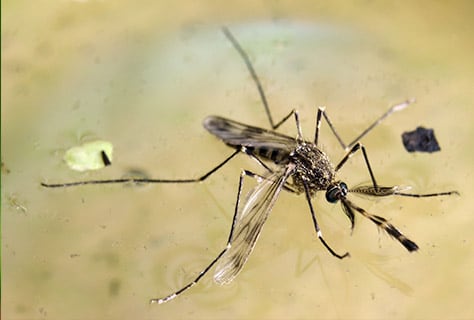
The culex mosquito can carry filariasis. Filariasis is caused by tiny worms transmitted through the saliva of the mosquito. They can cause elephantiasis, a diseases which causes the limbs of the victim to swell grotesquely as the worms clog the victim’s lymphatic system. The disease tularemia is also transmitted by the Culex mosquito.

Psoropora  Mosquitoes

This is a large and aggressive mosquito. Like the Aedes mosquito, they bite at all hours of the day and can infect people with the West Nile virus. They have a long proboscis that enables them to bite through people’s clothing. They are found in the southern United States and southward into the tropics.

Culiseta Mosquitoes
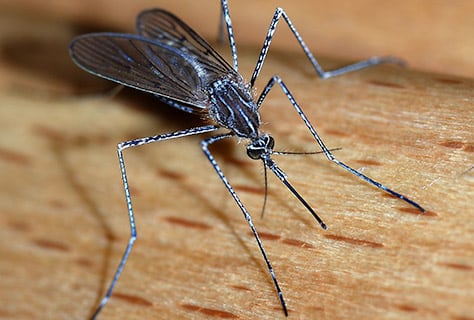
This is an unusual, cool season mosquito that appears during the winters in warmer climates. They bite humans occasionally, but many prefer birds, mammals, domestic livestock and even reptiles.

Haemagogus Mosquitoes

These mosquitoes, which are found mostly in South and Central America, are vectors for yellow fever. They are long-lived and so can infect many people and animals. It’s believed that a yellow fever epidemic that killed howler monkeys in Brazil in 1998 was transmitted by a type of Haemagogus mosquito.

Mansonia Mosquitoes
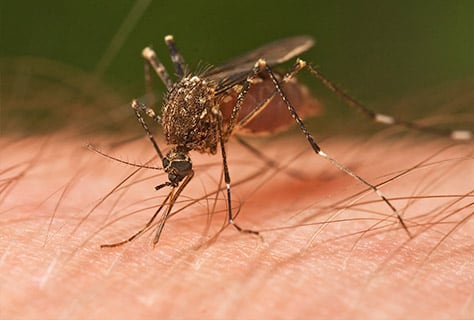
These are large, brown or black mosquitoes that have iridescent wings. They don’t seem to carry serious disease, but they are considered a nuisance, as they do bite humans.

Tripteroides Mosquitoes

This is a large genus of mosquitoes that lives from China to Tasmania. Fortunately, most of them don’t attack humans, but they can still become nuisances when they swarm and invade people’s houses. Even when they do bite, they don’t seem to transmit disease.
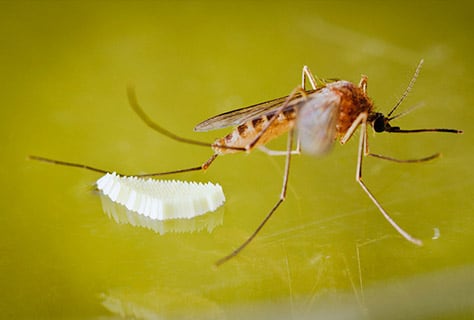
 

Lifecycle of a Mosquito

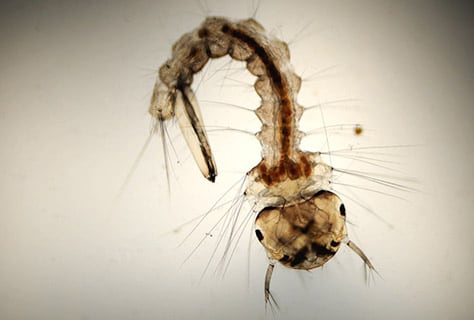
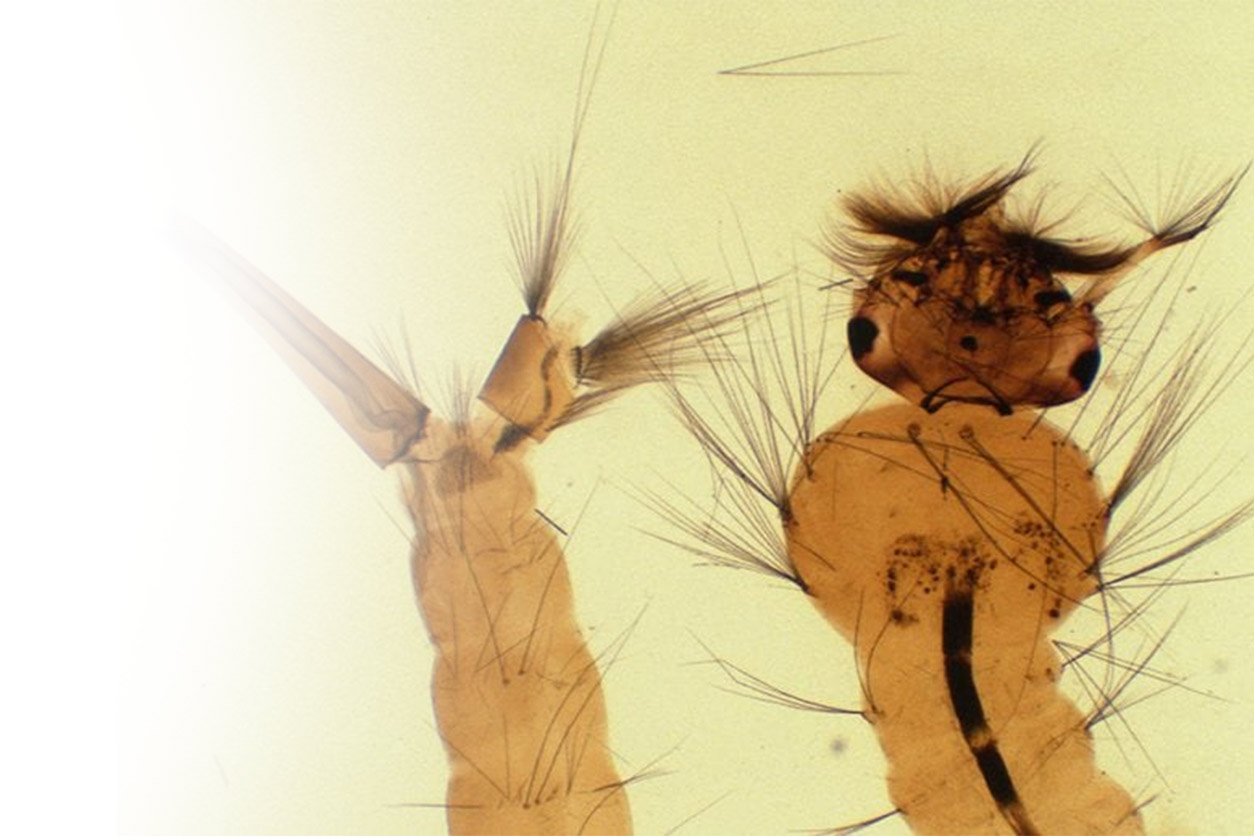
The life of a mosquito begins in the water and ends in the air. Undergoing a metamorphosis any sci-fi buff would admire, radical transformations must occur in order to change a water insect into one that flies. A mosquito achieves this by developing through four different life stages: egg, larva, pupa, and adult.

Egg Stage

Nearly all mosquito eggs are laid in pools of water. These are stagnant pools with no flowing water to disturb the eggs. If you have a pond,birdbath, or even a long-standing puddle in your yard, you could be harboring a mosquito nursery! The eggs tend to clump together in what is called an “egg raft”, floating along the water’s surface. The length of gestation depends on the species, with some incubating for a few days, while others can survive in egg form all throughout winter until spring comes. Whether they were an egg for a few days or weeks, they will eventually hatch into the next phase of their lifecycle.

Larval Stage

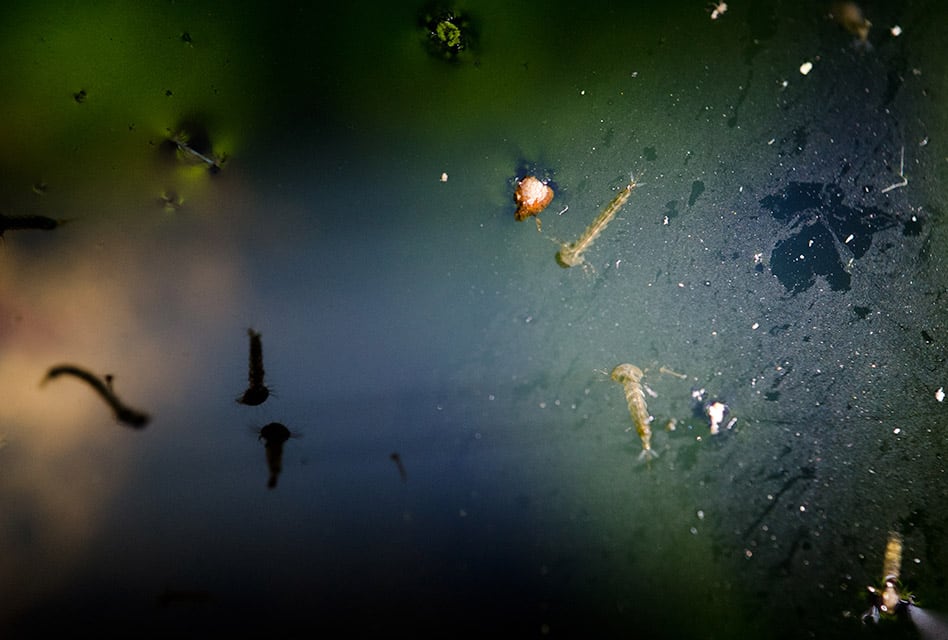
A mosquito larva is essentially nothing but a cylindrical body with a head and mouth. The larva live on the water’s surface where they hatched, breathing through a siphon in their abdomen. They are able to swim away under the surface if they are threatened by predators. They feed on algae and other nutrients found at the water’s surface. As they grow, they shed their skin several times until they are ready to move on toward the next stage in their lifecycle.

Pupal Stage

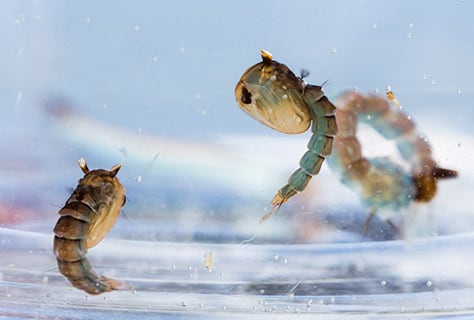
During the pupa stage, the mosquito does not do much other than grow. The pupa consists of a curled casing inside which an adult mosquito is developing. The pupa does not eat. It only swims to avoid predators and to breathe. A mosquito may stay in the pupal stage anywhere from a few days to weeks. This largely depends on environmental factors such as temperature as well as differences between species.

Adult Stage

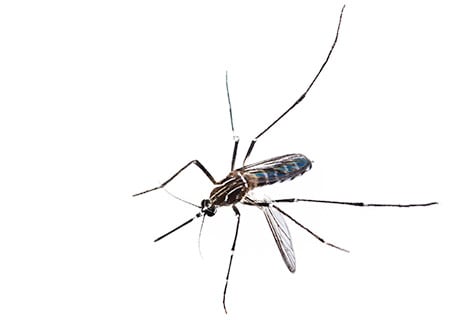
At long last, when the conditions are just right, the pupa breaks open and a full grown mosquito slowly emerges. The mosquito’s exoskeleton is soft and its wings are wet at this point, so it rests on the water’s surface until the clear, soft exoskeleton hardens into the dark brown we know so well. The mosquito then finds a place of safety where it slowly opens its wings and allows them to dry. It is now fully transformed from an aquatic larva to a terrestrial and aerial insect.

Mating usually happens soon after emergence into adulthood. Not all mosquitoes are bloodsuckers. Needing the extra nutrients to feed the eggs growing inside of her, it is the female mosquito that goes out in search of a blood meal. Male mosquitoes generally feed on sugary sources of food, like nectar. Female mosquitoes are also attracted to sugary foods and eat them in addition to blood. Females can live for a few weeks, reproducing as much as possible, while males typically die after seven to ten days.

Lifespan

The life cycle of a mosquito from egg to adult depends largely on the environment, with each stage varying drastically depending on several factors. For example, a 10 degree change in temperature from 70 degrees Fahrenheit to 80 degrees Fahrenheit can increase the duration of the developmental stages by four days from 14 to 10. In other cases, some mosquitoes take a full month to develop fully while others in very warm climates may develop in only 4 days. On average, the first 3 stages of development take about 5-14 days to complete. That coupled with the average adult lifespan of 7-14 days gives a total lifespan of a mosquito of 2-4 weeks.

Understanding the lifecycle of a mosquito can help professional mosquito control services eradicate them, and help you avoid them. Now that you’ve armed yourself with knowledge of the enemy, go out and enjoy a bite-free summer!


Mosquito Facts

Mosquitoes are more than annoying insects that buzz around and wait for the right moment to bite their host. They’re fascinating creatures that have adapted over the centuries in order to survive almost any environment. This makes them one of the world’s most virulent species, but one that we should continuously examine for insights into survival and control.

Here are a few interesting facts about these winged insects:

MANY BELIEVE MOSQUITOES CANNOT LIVE UNLESS THEY TAKE BLOOD FROM A HOST

This is untrue. Only female mosquitoes need a blood meal. A mosquito needs blood for egg development during breeding. Each blood meal consists of only five millionths of a liter. Male mosquitoes feast on nectar or other plant-based sugar sources.


MOSQUITOES ARE MILLIONS OF YEARS OLD

Over the years, they have developed into many different species. Currently there are 176 known mosquito species in the United States. This explains why some mosquito repellants work and others do not. Some species have “immunity” to the repellants.


MOSQUITOES CARRY A VARIETY OF DISEASES

Mosquito-borne illnesses cause the deaths of hundreds of people worldwide every year. Some of the most common mosquito-borne illnesses in humans include yellow fever, malaria and West Nile Virus. Mosquitoes can also give heartworms to animals.


MOSQUITOES HAVE VERY POOR EYESIGHT

Their vision is blurry, and they cannot make out an object until they are about 10 feet away. Mosquitoes are heat-seeking insects. They locate their prey by flying towards movement and heat. They also find their prey by smell. Mosquitoes are attracted to high levels of carbon dioxide. Active people are prime targets since they move around often. They produce larger amounts of carbon dioxide. Mosquitoes bite women more often than men. Women give off a variety of hormones with an enticing smell to mosquitoes.


MOSQUITOES BITE ANIMALS OTHER THAN PEOPLE

They also bite birds and small mammals. Different types of animals attract different species of mosquitoes. For example, certain species only bite birds and others only bite frogs.


MOST MOSQUITOES STAY CLOSE TO THE AREA WHERE THEY HATCHED

Many do not fly more than one mile away from the breeding location. One exception is the Salt Marsh mosquito. It can travel up to forty miles from the breeding location.


WHEN A MOSQUITO BITES, THE BITE ITSELF DOES NOT ITCH

The chemicals released by the mosquito to prevent blood clotting are the source of the itching.


MOST SPECIES OF MOSQUITOES LIVE ABOUT TWO TO FOUR WEEKS FROM EGG TO ADULT STAGE

Environmental factors such as temperature play a major role in how quickly the mosquitoes develop. Natural predators also help determine the life span of a mosquito.


MOSQUITOES BREED NEAR STANDING WATER

This is where the mosquito population will be highest. Swimming pools, puddles and ponds are common breeding areas.


MOSQUITOES LAY THEIR EGGS IN CLUSTERS CALLED “RAFTS”

The “rafts” float on top of standing water until they hatch. The eggs hatch in water and continue to live there through the next two life stages, larva and pupa. After the pupa changes into an adult, it dries its body then flies away.


MOST SPECIES OF MOSQUITOES WEIGH AROUND 2.5 MILLIGRAMS

The mosquito is a small, but ferocious creature.


MOSQUITOES CAN LIVE IN ALMOST ANY ENVIRONMENT

Most prefer warm, humid climates but some species live in cooler climates like Canada and Alaska. In some areas, mosquitoes that hatch late in summer will hibernate until the next spring and then lay eggs.


MANY MOSQUITOES DO NOT LIKE THE HEAT OF DAY

In very warm climates, mosquitoes will seek shade in bushes or shrubs. They wait until early morning or dusk to move around and look for blood meals.


Why Learn About Mosquitoes?

Some people may wonder why mosquito knowledge is so important. Learning facts about mosquitoes can be helpful in several aspects. Several cities and towns budget for mosquito control. Knowing which species live in the area, where they breed and the time of day they feed can be especially helpful in treating the problem. Mosquito facts help doctors and health organizations combat diseases such as malaria, yellow fever and West Nile Virus.


What is a Mosquito?

If you are wondering what a mosquito is, then you have come to the right place. Through an explanation of the life cycle, how they feed, diseases they spread, and how we have tried to control them throughout the years, you should get a better understanding of these small fly-like creatures.

The Mosquito’s Life Cycle

All 3,500 species of mosquitoes go through the same life cycle starting as an egg, becoming a larva, transforming into a pupa, and finally transforming into an adult.

Egg
An adult female of the species lays her eggs in stagnant water, near the water’s edge, or attaches them to aquatic plants. This is the first step in the mosquito’s life. From 5 to 14 days, the animal lives its life inside of the egg growing into the next stage of its life, the larva stage.

Larva
The larva of a mosquito has a head and brushes for feeding, while they do not yet have legs. They live in the water but must come to the surface often to breathe. They feed constantly on algae and bacteria.

Pupa
After some time in this form, they transform into the pupa. Pupa also come to the surface to breathe, but during this stage, the mosquito does not eat. After only a few days in this stage, the small mosquito comes to the surface to begin its life as an adult.

Adult
The adult mosquito is ready to create more eggs only a few days after transformation from the pupa stage. Males of the species form swarms that the females pass through to mate. The males live for about a week and eat any form of sugar they can find. The female feeds on blood from animals and humans. After a meal, she will rest for a few days while the eggs are developed. Then she will begin the whole process again to lay as many eggs as she can during her one to two week life.

Feeding Behavior of the Female Mosquito

Many female mosquitoes, although not all, have adapted mouthparts to penetrate the skin of hosts to suck their blood. These are called ectoparasites. They must obtain a meal of blood before they are able to produce eggs. The nutrients and proteins in the blood help the eggs develop and protect them until they hatch.

The female is attracted to carbon dioxide, octenol, and especially nonanal, which our bodies naturally produce. The females smell these chemicals and are drawn to it.

During the heat of the day, mosquitoes rest in cool places waiting for the evening when they become active and feed at night.

Diseases Carried by Mosquitoes

By sucking the blood of humans, mosquitoes can carry diseases between hosts. Yellow fever, dengue fever, Chikungunya are a few viral diseases they can assist in spreading. Malaria is a parasitic disease they can spread. Tularemia is a bacterial disease that can even be transferred by biting flies. The West Nile virus and the Eastern equine encephalitis virus are two diseases of concern in the United States that can be spread by mosquitoes.

Controlling the Mosquito Population

By trying to reduce the mosquito population, humans hope to slow the spread of diseases carried by these pests. There are many ways in which we have tried to reduce and exterminate the population in different areas. By destroying suitable breeding grounds, cleaning up trash that can hold stagnant water, and removing plants that the insects can lay their eggs on, mosquito populations can be lessened.

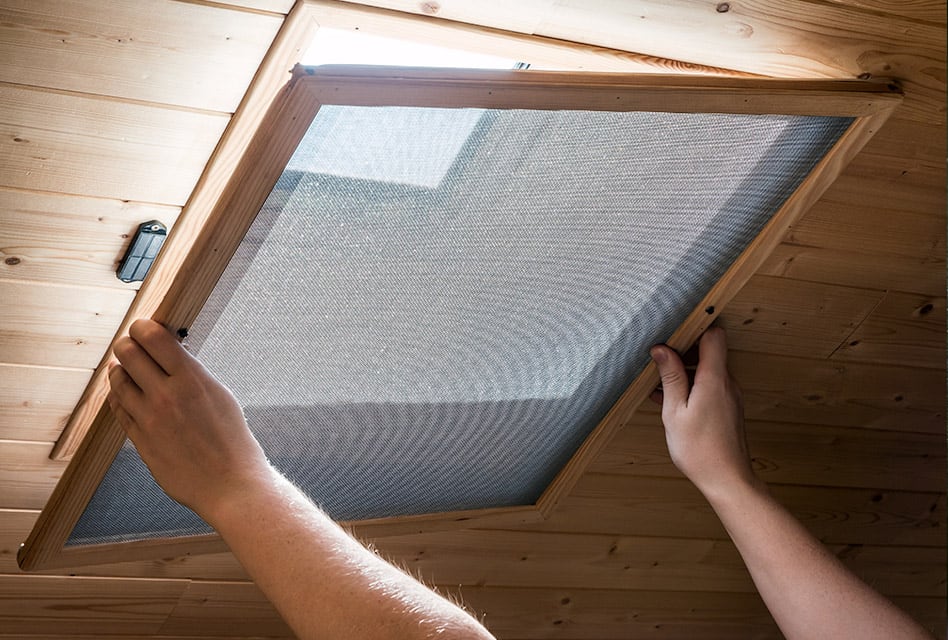
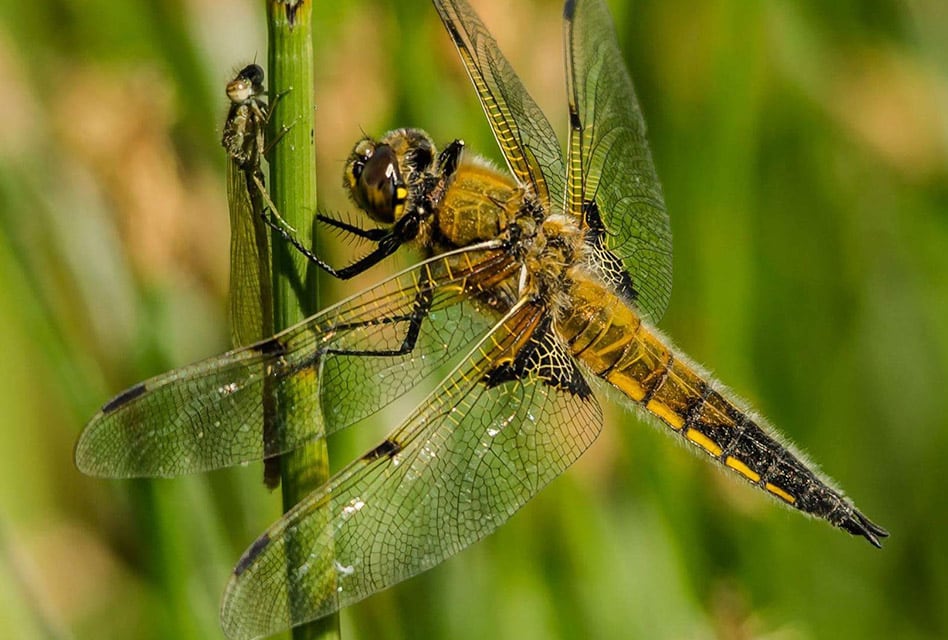
At individual homes, screens in windows and mosquito nets, especially ones covered in insecticide, can help reduce and even eliminate the presence of mosquitoes. By introducing more natural predators to the ecosystem like dragonflies, bats, and blue martins, the pests will be eaten before they can breed and lay eggs. If bass, bluegill, piranhas, salmon, trout, catfish, or goldfish are added to a water system where the eggs, larvae, and pupae live, the population will be decreased because many of the species will not live long enough to become adults.

The mosquito is a complex animal. But understanding its breeding, developmental and feeding behaviors helps answer important questions about how it can be controlled.


The Price of Mosquito Problems

Mosquitoes can be a big nuisance, making outdoor time unenjoyable. They swarm your yard and buzz around your body, trying to get to you. Sometimes you don’t even know you are being bit until it’s too late. The next day you wake up with itchy welts all over your body and feel miserable, not to mention, you may have the fear of contracting an illness. Namely, the West Nile virus.

You want to control, or get rid of mosquitoes around your home and yard so that you can enjoy being outdoors without the threat of being bit, or contracting an illness. But do you know what it costs to treat for mosquitoes?

The cost of treating and preventing mosquitoes in your yard:

Standing Water

Because mosquitoes are naturally drawn to water, one of the biggest things you can do is control the water and moisture around your home. If you have standing water collecting in the yard, be sure to get any drainage problems around your house fixed. This will help alleviate mosquitoes collecting and breeding in these areas. The cost of getting rid of standing water can be expensive. It depends on what is needed, but if a company has to come out and excavate your yard, you can pay several hundred to several thousand dollars.

Keep Your Yard Well Manicured

When you let your yard get out of control, you are asking for issues with not only mosquitoes, but other pests, too. Overgrown lawns and bushes are the perfect breeding grounds for insects and pests. You can pay a professional service to manicure your yard, or you can do it yourself. Pricing will vary, depending on the size of your lawn and what you have done. But expect $100+ a month.

Treat Your Yard

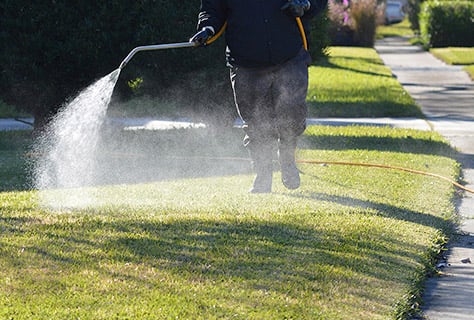
Regular professional mosquito control treatment is one of the most effective things you can do to combat mosquitoes. You can hire a company to treat your yard or treat it yourself. Treating your home regularly helps to keep mosquitoes from breeding and multiplying. It is especially important during warmer months when mosquitoes are out more. There are some companies that will charge a small fee of around $49.00 to treat your yard for mosquitoes on a monthly schedule. Self-treatment would be slightly less expensive, but it can be time-consuming.

Use Cluster Plants

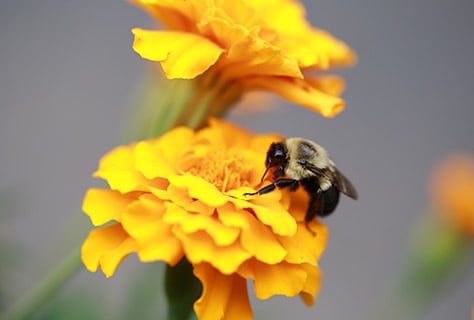
Certain types of plants naturally repel mosquitoes. Plants known as cluster plants, such as scented geraniums, marigolds, garlic, lavender, basil and mint can help keep mosquitoes at bay. You can pay a small amount, under $100.00, for a few plants, to well over a hundred, depending on the type of plant you choose and how many you need.

Use a Fan

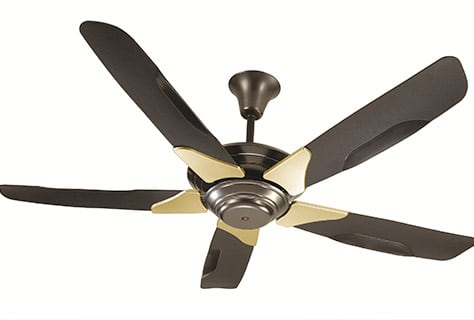
You can help keep mosquitoes away by using a circulating fan. The fan can be a ceiling fan or stand-up oscillating fan. Either one helps to keep the air moving and circulating to help keep mosquitoes away. Fans can be cheap, for around $20.00 for a standing oscillating fan, or several hundreds for ceiling fans on your porch. You can make it as cheap as you need to, by choosing more, inexpensive fans.

Skin Repellant

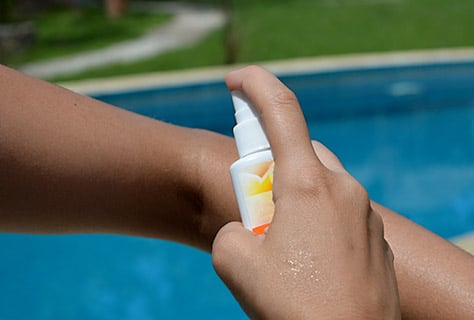
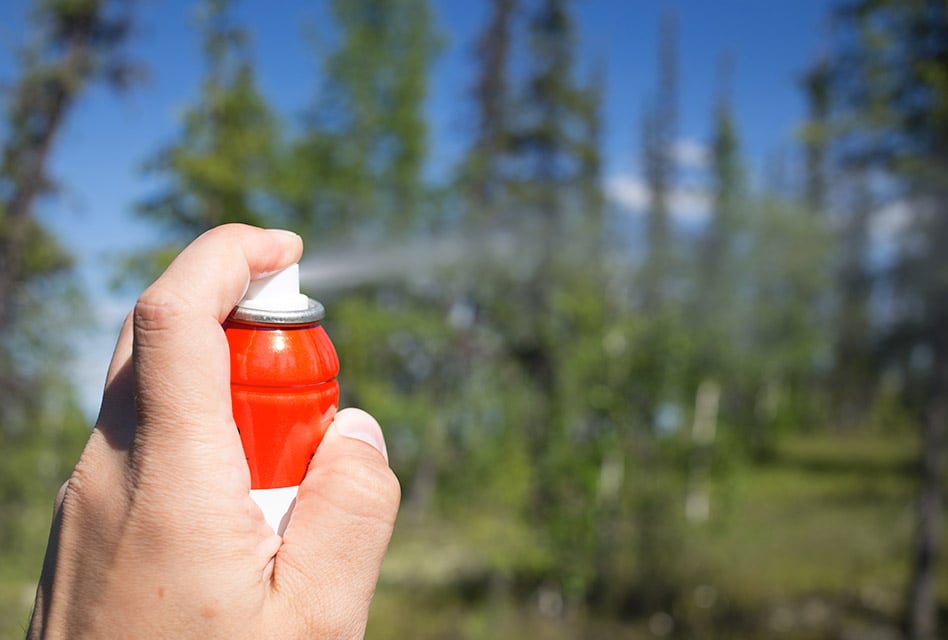
When you are outdoors, you should treat your skin with a mosquito repellant. There are multiple types to choose from, from lotions to sprays. Skin repellant will be the cheapest trick. Depending on the type and brand you get, it can be just a couple of dollars per can.

Mosquito Traps

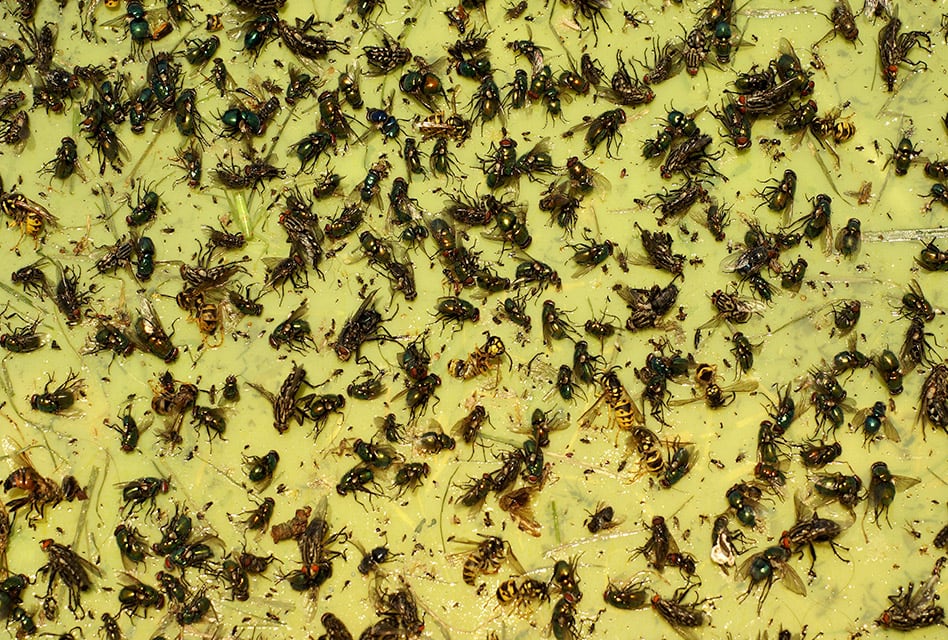
Mosquito traps use a combination of sensory cues, such as light and other lures to attract the mosquito into the trap. Once inside the trap, it cannot leave. Mosquito traps can run from under 100.00 to several hundred or over $1000.00. One mosquito trap is just $10.99. It all depends on what you are looking for.

Tiki Torches

Filling tiki torches with Citronella, which is a nontoxic substance, helps to keep mosquitoes at bay. Tiki torches can run from about $10.00 each to close to $1000.00 per torch for a gas torch. You decide what style you want and you can probably find them for close to your price range.

Preventing mosquito bites is not always entirely possible, but you can significantly reduce mosquito bites by treating your yard and your skin with the right combination of mosquito repellants. The more proactive you are, the better your chances of keeping mosquitoes at bay.


How the U.S. Legislates Mosquito Control

Mosquito control has been an important goal in the United States for nearly a century now. As time has gone on and the government has taken a bigger and bigger role in preventing mosquito populations from swelling and spreading disease, a variety of laws have been passed. In addition to legislation though, there are organizations that have been given charge of mosquito control efforts. When taken as a whole, it presents a patchwork, but effective, effort to stop these pests from spreading.

Vector Control

The most common types of legislation for controlling mosquitos is called vector control. Vector control ordinances make laws regarding the displacement of “junk” (such as inoperable cars, rubber tires, etc. which often act as mosquito breeding grounds) and its proper disposal. These controls also state which agency is responsible for which areas, ensuring that everyone knows what their mosquito prevention responsibilities are.

FDA and EPA Controls

The Food and Drug Administration works side by side with the Environmental Protection Agency when it comes to reviewing mosquito control measures. Legislation defining the standards these agencies use often shifts, but the goal is to make sure that the methods used to control mosquito populations remain effective and safe not just for humans, but also for the rest of the environment. These organizations are the enforcement arm of the laws regarding what people can, and can’t, use to help control mosquitoes.

Reduction of Environment and Other Measures

Many pieces of legislation all over the United States focus on mosquito prevention. The theory behind these laws is that it’s easier to make sure that mosquitoes never show up in the first place than it is to get rid of them once they’ve started thriving. These laws require that certain types of plants be removed, and that certain procedures be taken to limit the spread and growth of the mosquito population. This can include:

  • Eliminating cat tails and other high grasses.
  • Providing proper drainage to eliminate standing water, which acts as a breeding ground.
  • Regular aerial photographic sweeps to identify problem areas.
  • Regular use of pesticides to kill mosquitoes and keep them from spreading.

There are a number of other powers given to local jurisdictions regarding mosquito and pest control. They can declare when an area is infested, and they have the authority to call in exterminators. These more heavy-handed powers, though, are only used in event of an actual emergency.

Cuts and Furloughs

Some of the biggest, headline-grabbing pieces of legislation regarding mosquito control in the United States is the fact that it’s being cut in many areas. Whether it’s forcing employees to take one day off a week, cutting down on the size of the workforce, or just being allocated fewer resources by the government, efforts to cut the cost of mosquito prevention have been put into law all over the country.

These legislative cuts have come at a time when concern for diseases like West Nile Virus are growing. With this rarely-fatal but often debilitating diseases spreading, mosquito control has never been more important.

Public Awareness and Other Efforts

In an effort to combat the strain that mosquito control places on the government, many local communities are asking residents to help out. From cleaning up yards to eliminating standing water, citizens working together can help, but only with 100% participation.


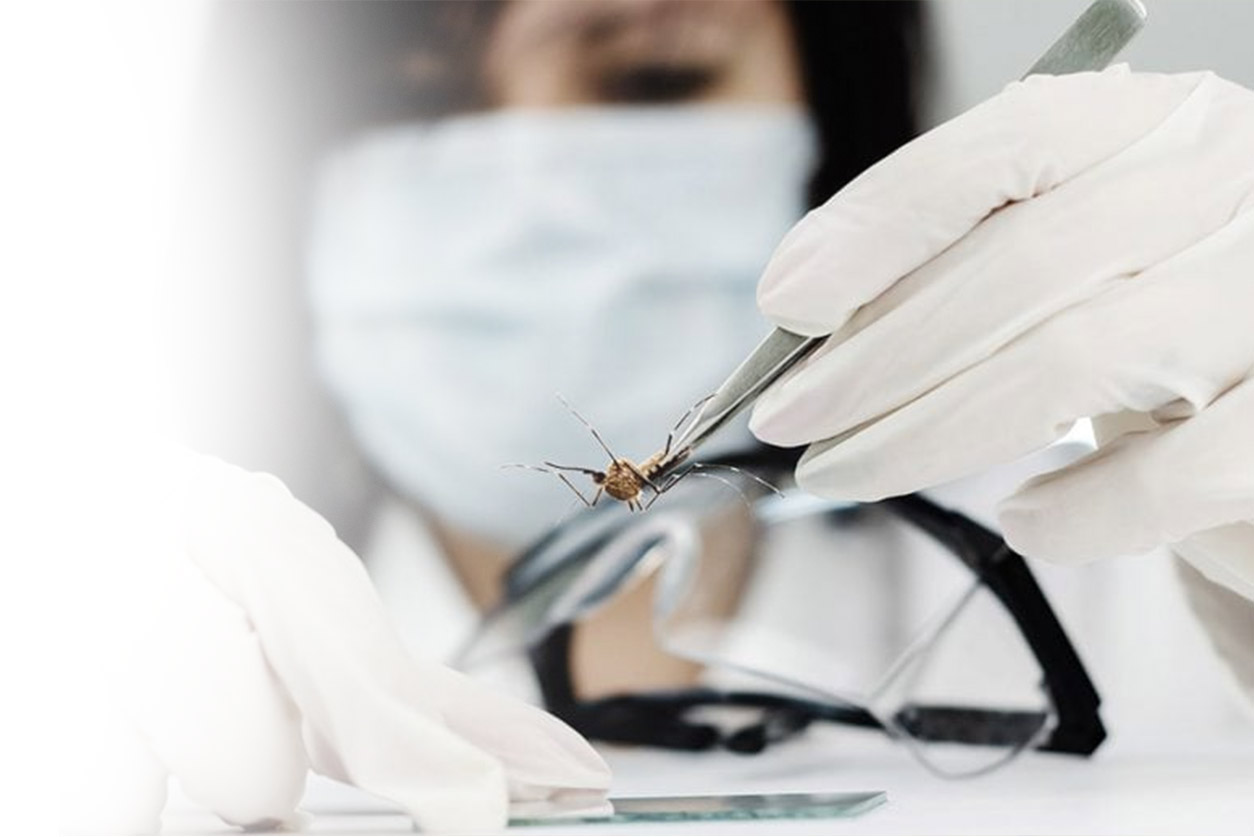
Marking Mosquitoes for Study

How It’s Done and Why It’s Important

It’s a well-known fact that mosquitoes annoy most people. They are ravenous blood-thirsty insects that bite and feed at will. Much like a classical monster, they live a parasitic existence to ensure their own survival. Mosquitoes are widespread, so much so that at least one species exists on every continent, save for Antarctica. In truth, not all species of mosquito are dangerous, and some actually help us, but most are the blood-drinking terrors that we have grown to avoid.

Pointing Out the Bad Apples

But mosquitoes cannot be simply exterminated en masse. As much as it would please many people to have it happen, they are a necessary part of the ecosystem. To this end, we have developed techniques for marking mosquitoes to study them.

In many cases the mosquito is marked with a capture, release, and recapture program utilizing boxes that are full of fluorescent powder. The mosquitoes find their way into the traps and come out covered in powder that glows various colors. It does not affect their natural role, as animals don’t have access to the same light sources as humans do. But it does offer people looking to study the animal an avenue to do so.

Many places mark mosquitoes every single year and the reasons might be surprising.

Just What is all the Fuss About?

There are a lot of reasons for mosquito marking programs, despite the obvious cost both financially and in intensive labor.

Mosquitoes carry many vector-based illnesses and blood-borne pathogens. As parasites, they spread these illnesses, some of which cross species barriers, to every host they bite. Biting is risky for the mosquito in nature. So when the mosquito gets the opportunity, it drinks as much blood as possible, which the female uses for the development of eggs. When a West Nile virus infected bird is bitten, the mosquito that did the deed has her blood supply infected as well. Each subsequent person she bites is then exposed to the disease.

That is what makes marking mosquitoes so important. In order to track which species of mosquito are infected, they are captured quickly after becoming adults. This is also used to monitor where the new adult mosquitoes go and what they bite. This is essential in creating a mosquito control plan for a given area.

The really difficult thing is finding non-invasive solutions for marking mosquitoes that won’t alter the behaviors of mosquitoes in a significant enough way that the science becomes invalid.

Advances by Stride

Mosquito marking has seen a lot of advancements since its inception. These efforts were to create not only a method to track the lives of these potentially dangerous insects but also to do it in a way that they are still able to live their lives. Mosquitoes are essential to the ecosystems in which they live, both as parasites and as prey for other creatures that make the same areas their homes.

Fluorescent powder is not the only tool used for marking mosquitoes now. Other things have been implemented like special proteins strands that cause the mosquito to be monitored via special lighting. The dayglo powders of the past are long out of use as they have made mosquitoes bigger targets for their prey than is natural, although one of the main ways to control the mosquito population is to increase the population of dragonflies in the area. This science continues to grow.


Mosquito Research and Funding

Mosquito research and funding is an important factor in maintaining the public health of people all around the world. Without funded research, we would not be aware of the many diseases passed to humans and other animals by the insects, which have caused widespread epidemics throughout much of the world. Even in the U.S., where a large amount of mosquito research and funding originates, the instances of West Nile Virus passed to humans by mosquitoes continues to rise, even as the population of mosquitoes falls through control and prevention.

Research

Mosquito-bourne disease research is not one of the most popular scientific areas of study, and is often overtaken in both volume and funding by studies into lesser known diseases. Research into the transmission of viruses by insects to humans and animals is relatively young in its history; the first research into the transmission of Texas cattle fever by ticks took place in 1893, which lead on to further research into tick and mosquito borne disease.

When considering mosquito research and funding, the relatively small amount of money invested by government agencies at state and national levels is quite shocking. For example, the state of Florida in the U.S. has capped its research funding into mosquitoes at around $250,000 since the early 21st century.

Learnings

Each area of the world has its own varieties of mosquitoes. Research has shown a state the size of New Jersey has more than sixty different species of mosquito. When considering how widespread the insects are around the world, the number of different species that have been discovered is breathtaking.

In order to understand the dangers each type poses, it’s important to understand each species behavior. Through continued mosquito research and funding, researchers have developed the knowledge that the culex mosquito is the carrier of the West Nile Virus. Other research has shown which species are linked to other fatal diseases like malaria and yellow fever.

Behavior

Many mosquito studies have been conducted into the breeding patterns and life cycle of the insect. Research has shown the mosquito prefers to breed and lay its eggs in moist areas of the ground and in stagnant pools. Through this, we have developed the knowledge that mosquito populations can be limited by removing standing water.

Attraction

A recent study by Notre Dame University looked into the reasons mosquitoes are attracted to humans and other animals in a bid to help the development of mosquito repellents. This research found the mosquito is attracted to a chemical produced by humans called nonanal. Birds are also producers of nonanal and are the major transporters of mosquitoes around the globe. As only the female mosquito feeds on blood, knowing why the female is attracted to humans is important in developing repellents to protect humans from mosquito bites.

Because of the fact that the majority of the time mosquitoes are feeding on the sugars produced by plants, the future of mosquito research and funding probably lies in understanding why certain flowers attract mosquitoes. By understanding what attracts mosquitoes we can develop better prevention methods and repellents that can protect us from many dangerous diseases.

Parts of the World with the Worst Mosquito Problems

Many people view mosquitoes as harmless, but in many parts of the world these pests are more than a nuisance. Known as vectors, or disease carriers, these flying bugs feed on live blood and spread serious illnesses such as malaria, West Nile virus, equine encephalitis, and even canine heartworms.

Where They Are

Mosquitoes thrive in not only tropical and sub-tropical areas, but also in many arid regions. Warm, humid areas are the perfect breeding grounds, but there are also species that thrive in desert conditions such as New Mexico and Arizona. The Eastern United States was seriously afflicted with vector borne illness until the advent of DDT in the 1940’s.

If your plans include travel to the following regions, it would be wise to take precautions.

  • North America
  • South America
  • Central Africa
  • South Africa
  • Asia

What Diseases They Spread

Mosquitoes carry a number of dangerous diseases. While few are prevalent in the U.S., many are common in highly-traveled parts of the world.

  • Malaria
  • Dengue Fever
  • Encephalitis (human, equine, and canine)
  • Yellow Fever
  • West Nile virus
  • Rift Valley Fever

Prevention

Avoiding mosquito bites is the best prevention there is, but how do you do this?

  1. Steer clear of areas known to carry the infectious pests is key, so do not travel during an outbreak, or when mosquitoes are swarming.
  2. Always use a mosquito net when sleeping.
  3. Use insect repellents at all times when visiting an area with a high exposure rate.
  4. Consider adding in alternative repellents such as Avon’s “skin so soft” line of lotions and menthol-based products.
  5. Utilize citronella candles in outdoor areas.
  6. Do not wear perfumes or scented deodorants and lotions, as they are known to attract insects.
  7. Keep yourself covered up. Wear long sleeve shirts, pants, and even hats with netting to reduce the odds of being bitten and infected.
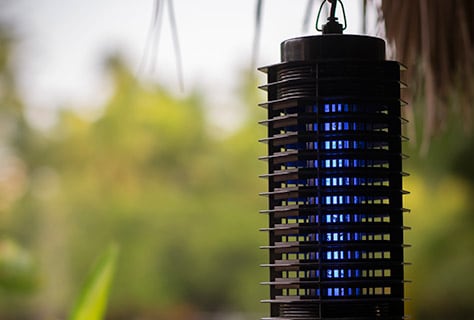
  8. Purchase a bug zapper to keep outdoor and patio areas clear.
  9. Practice source reduction by clearing away bodies of standing water.
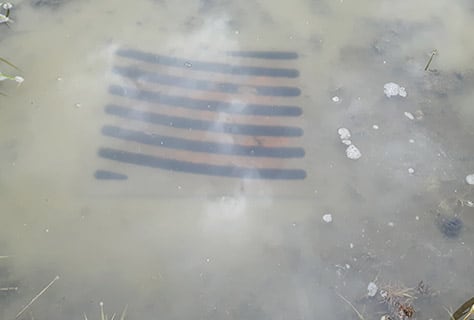
  10. Make sure road drains are free of leaves so they do not collect water.

Eradication Efforts

DDT, and DEET spraying has nearly eradicated mosquito problems in some areas of the Americas, particularly the northeastern states. However, there is heated debate about the impact of eradication efforts. Some scientists believe that other species of insects would fill the void if mosquitoes were gone. Others hypothesize that eradicating the bugs could lead to a hole in the food chain, which may have devastating effects on the environment. Some species of plants are dependent on mosquitoes to help in their pollination, and some species are the main source of food for other insects.

Impact on Ecosystem

Despite the nuisance they cause, mosquitoes certainly play a part in our ecosystem. The long-term use of pesticides could cause problems to both human and other species of plants and animals. Most states have legislation requiring those who use commercial grade pest repellents to undergo special training and certification prior to usage.

Eradication efforts over the years have already led to gene resistance in some strains of mosquito species. But scientists are working on ways to alter gene sequencing in some mosquito species to lower their susceptibility. We are also utilizing “mosaic” eradication methods that combine different pesticides to lower mosquito populations.

DEET spraying has been found to be highly effective in reducing mosquito populations, but not without a price. Side effects in humans range from headache to nausea. This controversy has led people to try more natural and holistic methods such as planting basil or geraniums that naturally contain citronella and geranella to repel the pests.

A more holistic solution, at least for small bodies of water, is Bacillus thuringiensis israelensis. This natural bacterium thrives on mosquito larvae, but is safe for fish and humans. It is also available at most garden centers so it is easy to obtain.


Parts of the U.S. with the Worst Mosquito Problems

When summertime rolls around, there’s just no avoiding the inevitable swarm of mosquitoes that will follow. Mosquitoes breed in standing water, so if you are near large bodies of water, you know better than most how difficult it is to avoid the tiny blood sucking pests.

There are some areas of the United States that suffer from a greater density of mosquitoes than others, so if you are visiting those areas during the spring and summer months, it’s a good idea to include a can of insect repellent along with your luggage.

What Conditions Cause a Large Mosquito Population?

Mosquitoes breed by laying eggs into water, where they need some time to hatch. Fish eat mosquito eggs, so if there is a large fish population in a body of standing water, then the number of young mosquitoes that survive to adulthood is greatly reduced. The best place for a mosquito is a swampy place, an area that has lots of small, shallow pools of standing water that are too shallow for fish, and are nice and warm.

Where to Avoid?

There are some areas of the country that will naturally host more mosquitoes than others. Two of the most notorious are Houston, Texas and New Orleans, Louisiana. Both cities are known for their hot and humid summers, and both are coastal cities with a lot of swampy areas that are conducive to mosquito breeding.

Florida comes in as another top state, due mostly to the humid climate, warm weather, and abundance of swampland. Some other cities that are renowned for their mosquito populations are Jacksonville, Tampa, St. Petersburg, Clearwater, Ft. Lauderdale and Miami. Other cities around the South that have a large mosquito swarm to contend with are Richmond, Virginia Beach and Norfolk, Virginia over to Memphis, Tennessee then Atlanta, Georgia and also Birmingham, Alabama.

Aside from the South, there are areas of the upper Midwest with pretty serious mosquito issues of their own. States like Minnesota, Wisconsin, and Michigan have a distinct mosquito season. Minnesota in particular, the land of ten thousand lakes, has plenty of water for mosquitoes to breed in. On the plus side, the northern mosquitoes tend to be larger, and therefore easier to swat.

What Can I Do?

If you live in any of those areas, you are probably already well aware of the large amount of mosquitoes that will be a part of your life during the summer months. But there are some tips you can follow to cut back on the number that are near your home.

Look around your house for any standing pools of water, either ones that are drinking water for pets, or are created naturally by runoff and drainage, and try to keep those pools from standing too long. In the case of pets, empty out the water every day or two, and that will help keep the population to a minimum.

And when you go on vacation to one of these areas, just know what you are getting into. Take the proper precautions like having insect repellent with you, and find out from the locals what time of day is best to be out to avoid them altogether.

When you are looking at the top areas in the United States for mosquitoes, just keep in mind that areas that have lots of standing water will also have lots of mosquitoes. Temperature doesn’t matter all that much, but the warmer the weather, the longer the season for mosquitoes.

Keep insect repellent handy, and you’ll be fine whether you’re in the desert of Las Vegas or in the swamps of Florida and Louisiana.